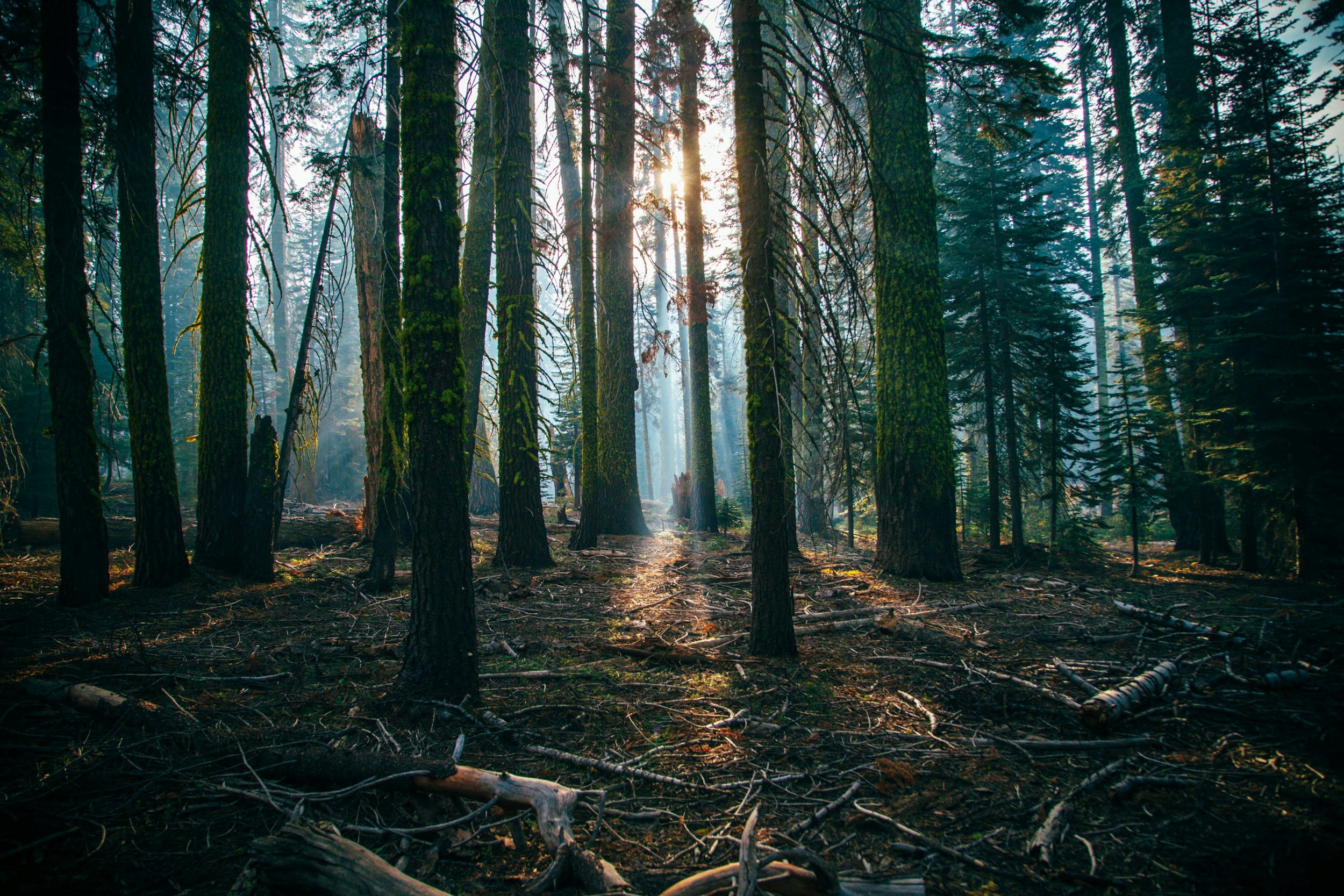
How Blood Tracking Dogs Work
Tracking dogs follow the individual scent of the wounded deer, not just blood.
Even when no blood is visible, dogs can follow the cocktail of scent left by the animal, including interdigital gland odor, breath, body fluids and crushed vegetation.
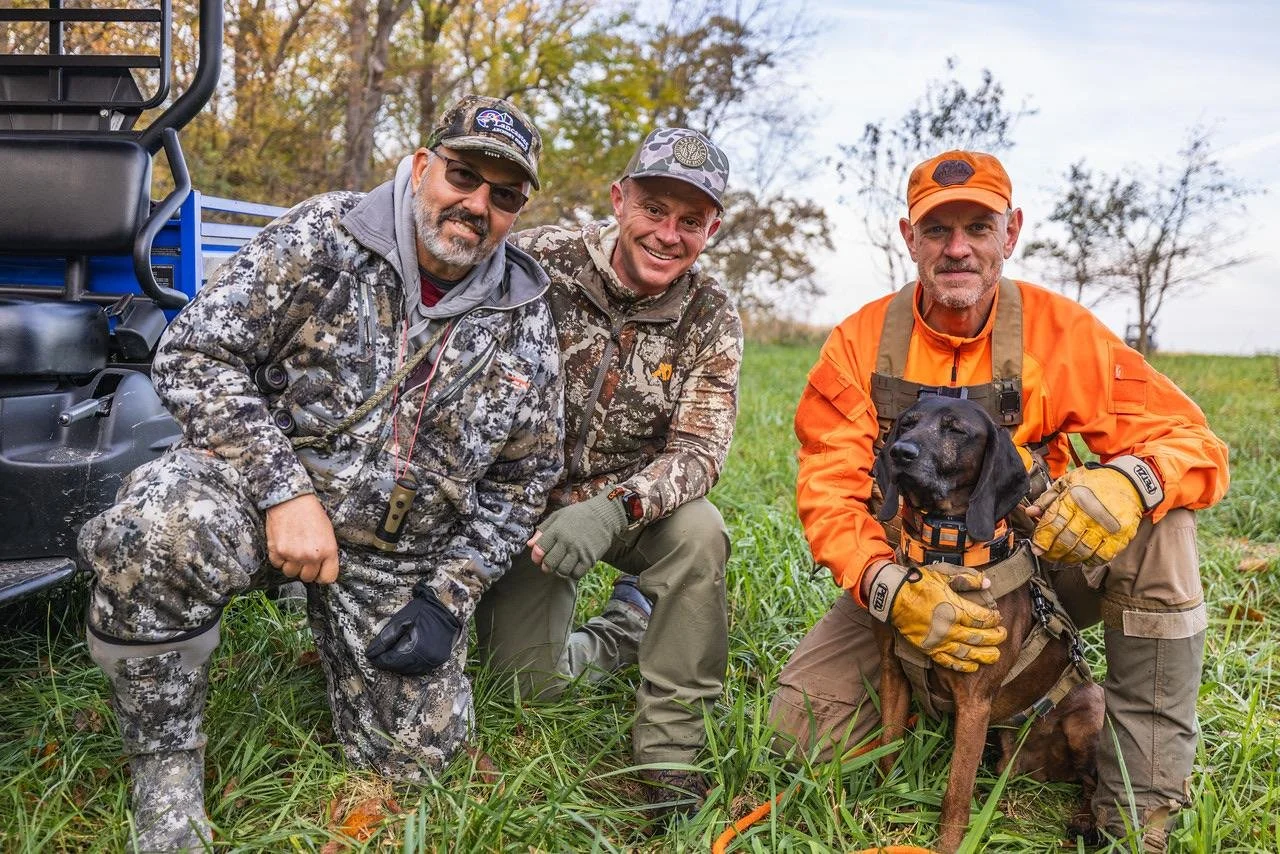
Key Points
Tracking dogs Track your animal - we do not search for it.
Tracking dogs following the scent of the specific animal that’s been shot, even when no blood is present.
Each step an animal takes releases scent, creating a track the dog can follow.
Dogs distinguish one specific track from all others, even in areas with heavy deer movement.
A lack of blood does not mean a lack of scent—dogs can track successfully with little or no visible sign.
Wind, terrain, weather, and time all affect scent, but a well-trained dog can follow a line many hours to days old.
Dogs can often determine whether a deer is lethally hit or just wounded based on their tracking behavior.
All dogs remain on a 30’ long-line at all times, in accordance with state law.
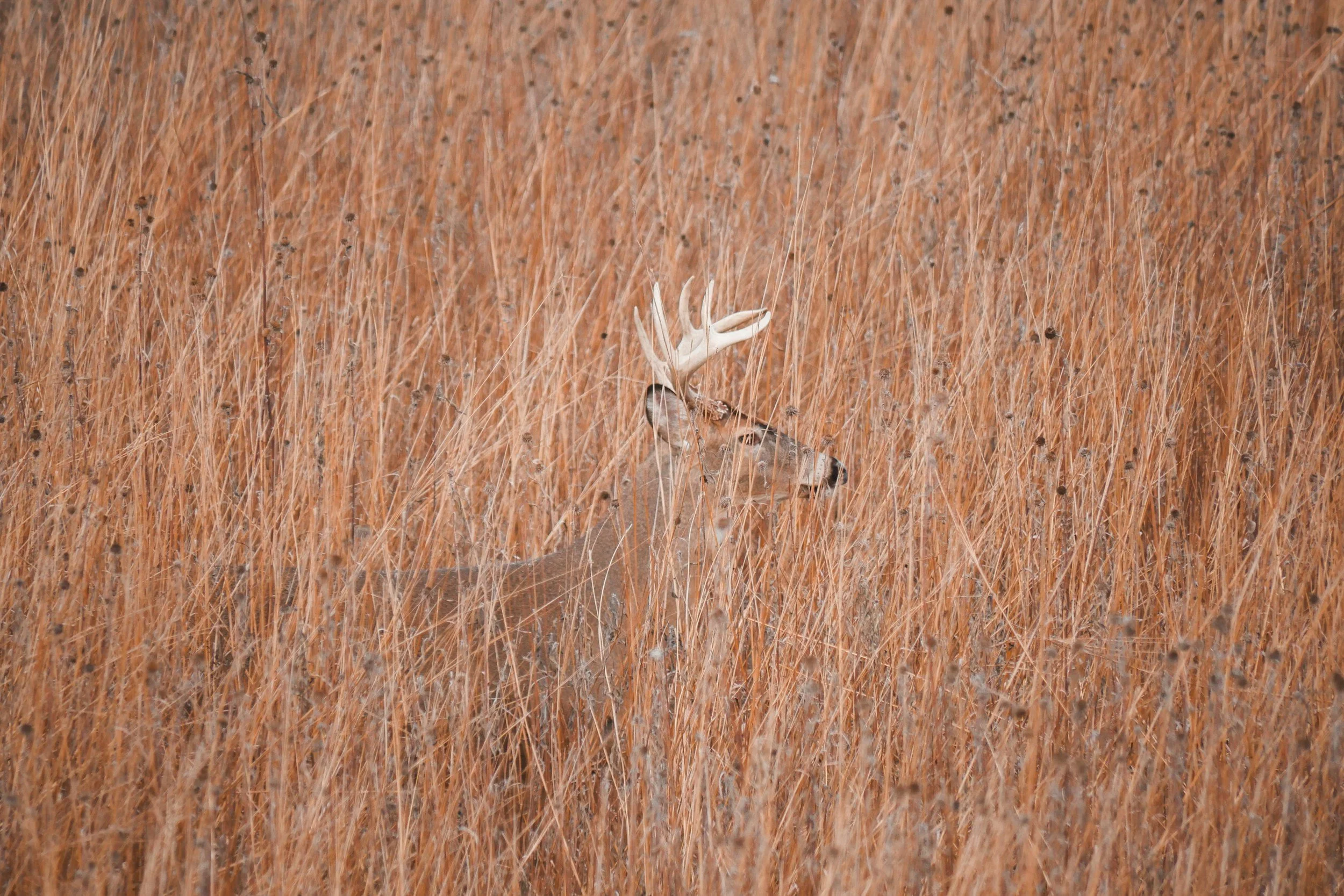
Trained tracking Dogs consistently outperform human trackers in all cases.